
Mandalika’s Motorsport Future: From Nyale Sports Tourism to Global Racing Ambitions

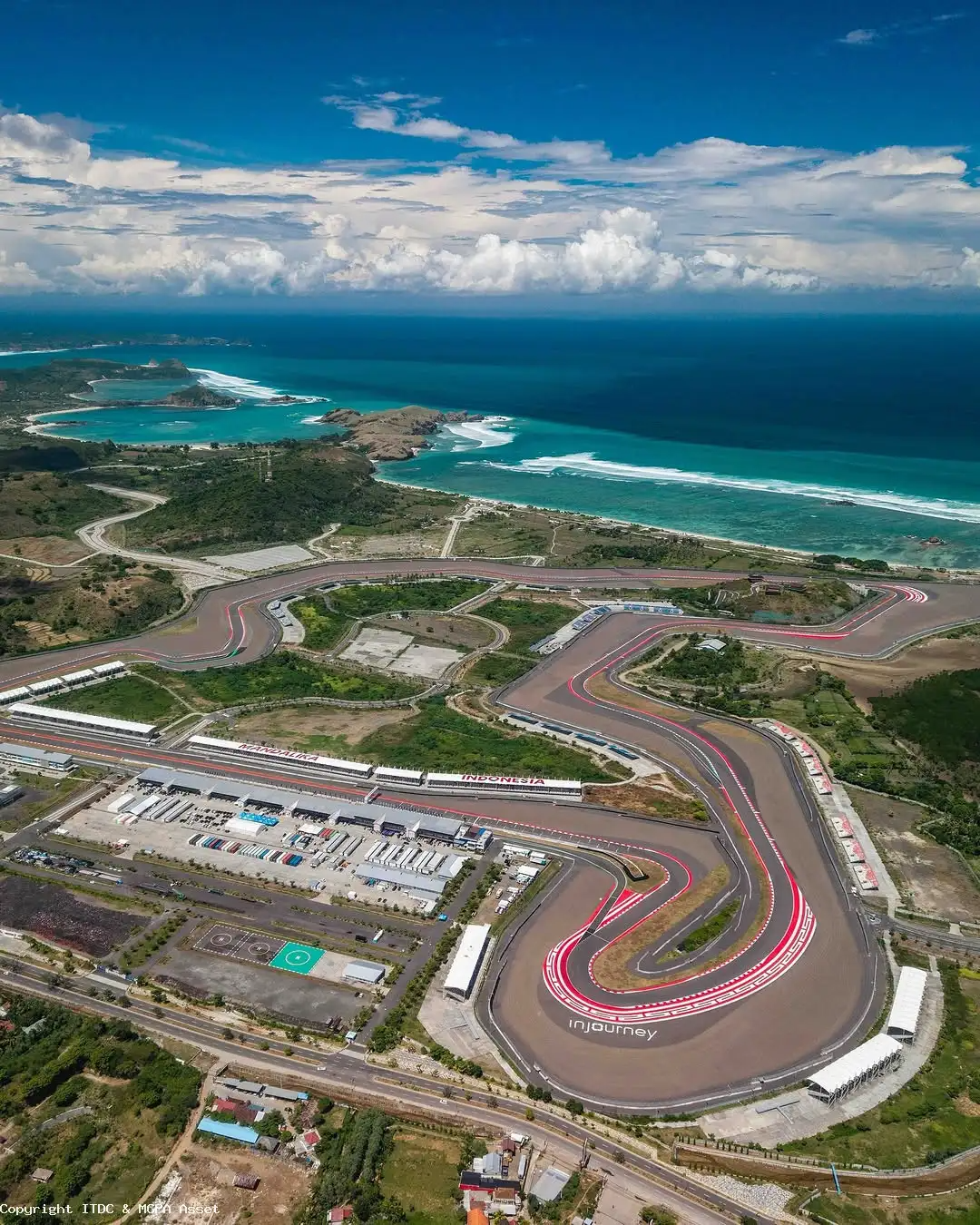
The Mandalika International Street Circuit in Lombok has rapidly become one of Southeast Asia’s most ambitious sports tourism projects. Built as part of Indonesia’s broader tourism development strategy, Mandalika combines motorsport events, coastal tourism, and cultural festivals into a single destination.
In recent years, the circuit has hosted international events such as MotoGP and is now preparing for additional racing categories. Plans for Formula 4 races in 2026 have sparked renewed discussions about the long-term Mandalika motorsport future, including whether the venue could evolve into a larger international racing hub.
At the same time, Mandalika’s development strategy extends beyond racing. Cultural initiatives such as the Nyale Festival, a traditional Lombok celebration that attracts visitors to the region, are being integrated with sports tourism to create a broader economic ecosystem.
This combination of motorsport, tourism, and cultural identity presents both opportunities and challenges for the circuit’s long-term success.
Mandalika’s as a Sports Tourism Destination


One of the most distinctive aspects of Mandalika’s strategy is the integration of sports tourism with local culture. Events such as the Nyale Festival—where locals gather on the beaches of Lombok to celebrate traditional sea-worm harvesting rituals—have become part of the region’s broader tourism narrative.
Tourism officials see this combination as an opportunity to attract different visitor segments:
- Motorsport fans attending international races
- Cultural tourists interested in Lombok traditions
- Leisure travelers exploring the island’s beaches
By linking cultural events with global sports competitions, Mandalika aims to create a year-round tourism calendar rather than relying solely on race weekends.
From an economic perspective, this diversification helps stabilize visitor numbers and spreads tourism revenue across different sectors.
Formula 4 in 2026: A Strategic Step Toward Motorsport Development

Another major development for the circuit is the announcement that Mandalika will host Formula 4 racing in 2026. While Formula 4 is a junior category, it plays an important role in the global motorsport ladder.
For emerging drivers, Formula 4 often represents the first step toward higher single-seater categories such as Formula 3 and Formula 2.
Hosting a Formula 4 event could provide several benefits:
- Exposure to international junior racing series
- Opportunities for local drivers to compete at home
- Greater integration with global motorsport development programs
From a paddock economics perspective, the arrival of Formula 4 is less about immediate commercial returns and more about building a motorsport ecosystem. By introducing developmental categories, Mandalika can position itself as a training and competition hub for drivers across Asia.
Infrastructure and Economic Impact
Developing a motorsport venue is not only about the track itself. The surrounding infrastructure plays a critical role in determining long-term success.
In Mandalika’s case, significant investment has been directed toward:
- Hotel and resort construction
- Road networks connecting Lombok International Airport
- Hospitality and event infrastructure
- Tourism services supporting large international events
Such investments aim to ensure that the circuit can accommodate the logistical demands of global motorsport competitions.
However, the financial sustainability of these projects depends on maintaining consistent visitor numbers and attracting a diverse range of events.
Recommended Gear for Motorsport Fans
For fans attending international race weekends or following events like MotoGP and Formula 4, staying comfortable during long days at the circuit can make a big difference.
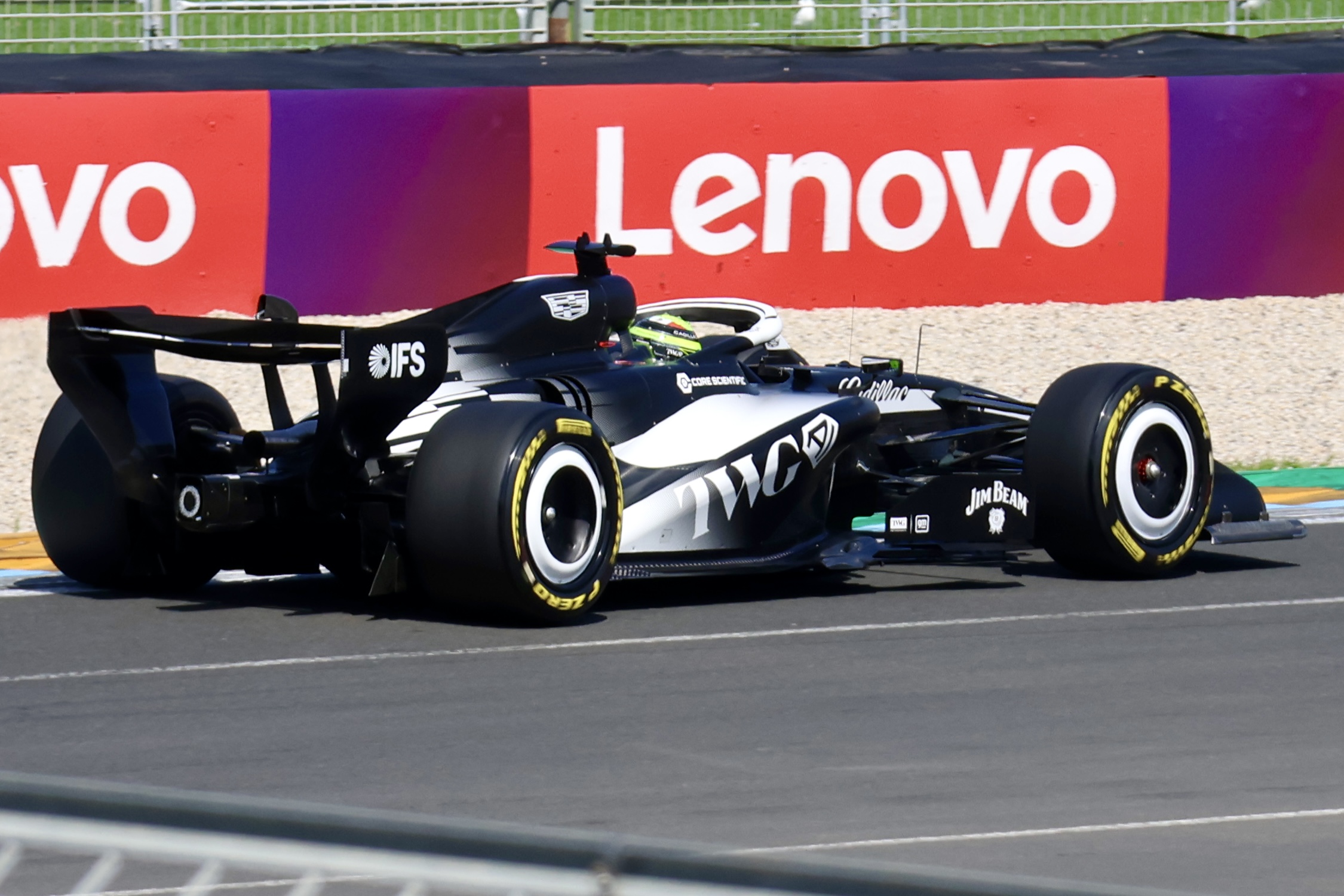
A popular choice among motorsport spectators is a Tommy Hilfiger Formula 1 Mens Tommy X Cadillac F1® Team Driver 11 Cap, which provides additional comfort during extended race sessions. Many fans bring similar accessories to circuits around the world to enhance their comfort experience.
If you’re curious about a widely used option, you can check it out here:
👉 https://amzn.to/46SyOeV
Small accessories like these often become essentials for motorsport enthusiasts who spend entire weekends at the track.
Challenges Facing Mandalika’s Long-Term Development
Despite its promising growth, Mandalika’s motorsport ambitions face several practical challenges.
Event Sustainability
Maintaining a consistent calendar of international events is crucial for financial stability.
Travel Logistics
The global motorsport calendar requires efficient logistics and transportation networks, which can be more complex for island destinations.
Competition from Other Circuits
Across Asia, several circuits compete to host major international racing series. Mandalika must differentiate itself through unique tourism experiences and strong event organization.
Potential Future Pathways

Looking ahead, Mandalika’s development could follow several realistic trajectories.
1. Regional Motorsport Hub
The circuit could become a central venue for Asian racing series, including junior categories and regional championships.
2. Integrated Tourism Destination
Combining motorsport with cultural events like the Nyale Festival may help Mandalika attract a wider range of international visitors.
3. Driver Development Platform
Hosting developmental series could support the growth of Indonesian motorsport talent.
4. Selective Global Events
While Formula 1 remains unlikely in the short term due to costs and logistics, Mandalika could continue attracting high-profile international events such as MotoGP or other major championships.
Conclusion
The Mandalika motorsport future sits at the intersection of sports, tourism, and cultural identity. By combining international racing events with local traditions such as the Nyale Festival, the region is attempting to create a sustainable tourism ecosystem that extends beyond motorsport alone.
The introduction of Formula 4 racing represents a strategic step toward integrating Mandalika into the global motorsport ladder while supporting regional driver development.
Although challenges remain—particularly in logistics, event sustainability, and global competition—the circuit’s long-term success will likely depend on balancing economic realities with its broader vision as a destination that blends racing with Indonesian culture.
If managed carefully, Mandalika could evolve into one of Southeast Asia’s most distinctive motorsport and tourism hubs.


Leave a Reply