

F1 2026 Rule Changes Explained: A New Era for Formula One


Formula One is entering one of the most transformative chapters in its history. The F1 2026 rule changes represent the sport’s most comprehensive regulatory overhaul in decades, fundamentally altering how cars look, perform, and race on track.
Driven by the dual goals of sustainability and better racing, the new regulations reshape everything from power units and aerodynamics to terminology and budget rules. The Fédération Internationale de l’Automobile (FIA) and Formula One Management aim to create lighter, more agile cars while also boosting electrification and reducing environmental impact.
These changes come after years of consultation with teams, manufacturers, and engineers. The result is a new generation of Formula One machinery that blends cutting-edge hybrid technology with design principles intended to improve overtaking and competitiveness.
In this article, we break down the most important developments, analyse what they mean for teams and drivers, and explore how they could reshape the future of the sport.
Why the F1 2026 Rule Changes Matter
Formula One periodically refreshes its technical regulations to keep the sport innovative, competitive, and relevant to modern automotive technology.
The F1 2026 rule changes are particularly significant because they combine three major transformations:
- A new hybrid power unit philosophy
- A redesigned aerodynamic concept
- A simplified racing terminology system
Together, these adjustments aim to improve sustainability, encourage new manufacturers, and deliver more exciting on-track action.
For fans, this means the cars you see in 2026 will look and behave quite differently from those in the current era.
Smaller, Lighter, and More Agile Cars


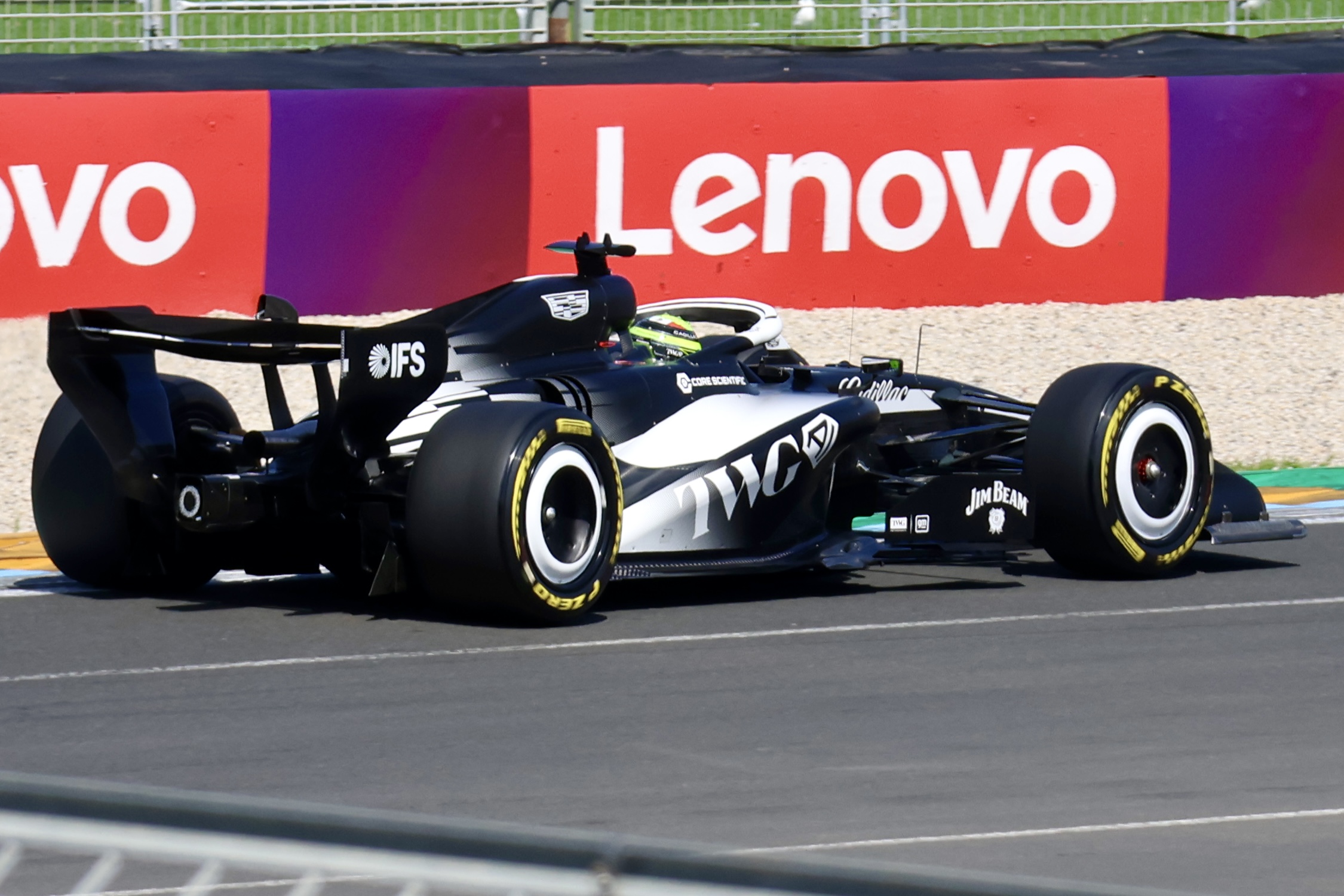
One of the most visible aspects of the F1 2026 rule changes is the redesign of the chassis.
The next-generation cars will be smaller and lighter, a deliberate move to improve agility and racing dynamics.
Key dimensional changes
- Wheelbase shortened to about 3.4 meters
- Overall width reduced to 1.9 meters
- Minimum weight reduced by around 30 kg
- Narrower front and rear tyres
These adjustments should make cars more responsive through corners and easier to race wheel-to-wheel. The narrower tyres also reduce aerodynamic drag, improving efficiency and potentially increasing straight-line speed.
Reducing size also addresses a common criticism of modern F1 cars—that they had become too large and cumbersome for tight circuits.
A Radical Power Unit Transformation


The engine regulations are at the heart of the 2026 reset.
The new power units maintain the 1.6-litre turbocharged V6, but the hybrid system undergoes major changes.
Key power unit features
- 50/50 power split between combustion and electric energy
- MGU-H removed, simplifying the engine design
- MGU-K output increased to 350 kW
- 100% sustainable fuel usage
This new configuration dramatically increases the importance of electrical energy deployment during a race. In fact, nearly half of the car’s performance will come from electric power rather than the internal combustion engine.
By eliminating the complex MGU-H system, the FIA also hopes to reduce development costs and attract new manufacturers to the sport.
Active Aerodynamics Replace DRS

Perhaps the most intriguing innovation is the introduction of active aerodynamics.
For more than a decade, Formula One relied on the Drag Reduction System (DRS) to facilitate overtaking. Under the 2026 regulations, DRS disappears entirely.
Instead, cars will use movable front and rear wings that operate in two configurations:
Straight Mode
- Reduces drag for higher top speed
- Used on straights or designated zones
Corner Mode
- Increases downforce for better grip
- Used during turns
This system allows drivers to adapt the car’s aerodynamic profile dynamically throughout the lap.
The aim is to create more natural overtaking opportunities rather than relying on a single rear-wing flap system.
Overtake Mode: The New DRS Replacement
Alongside active aerodynamics comes a new system called Overtake Mode.
This feature acts as the direct replacement for DRS but works very differently.
Drivers can activate Overtake Mode when they are within one second of the car ahead and inside specific activation zones.
Instead of opening a wing, the system delivers additional electrical power, effectively functioning like a push-to-pass boost.
The result is a more strategic overtaking system based on energy deployment rather than purely aerodynamic advantage.
New Terminology Fans Need to Learn
With the regulatory reset comes a new vocabulary. Broadcasters and teams will frequently use new terms throughout the 2026 season.
Key terminology
| Term | Meaning |
|---|---|
| Overtake Mode | Electric power boost for passing |
| Boost Mode | Driver-controlled power increase |
| Recharge Mode | Energy harvesting phase |
| Straight Mode | Low-drag aerodynamic configuration |
| Corner Mode | High-downforce aerodynamic configuration |
These terms were designed to simplify the technical jargon often associated with hybrid systems while making broadcasts easier to understand for fans.
A Bigger Budget Cap
Financial regulations are also evolving.
The FIA has adjusted the cost cap to reflect inflation and the technical complexity of the new era.
The increased spending limit allows teams to develop new power units, aerodynamic concepts, and infrastructure without violating the sport’s financial sustainability framework.
At the same time, strict auditing and reporting requirements remain in place to maintain competitive balance across the grid.
Conclusion
The F1 2026 rule changes mark a turning point for Formula One.
With smaller cars, advanced hybrid technology, and a new aerodynamic philosophy, the sport is entering a bold new technological era. The removal of DRS, the rise of active aerodynamics, and the emphasis on sustainable fuels demonstrate Formula One’s effort to balance entertainment with environmental responsibility.
While it may take teams and drivers time to fully adapt, these regulations could ultimately deliver what fans want most: closer racing, smarter strategy, and cutting-edge innovation on track.


Leave a Reply